
I’m a farmer, not a veterinarian, and everything here comes from hands‑on experience and the best information available to small‑scale goat owners. This post is meant to help you make informed decisions for your herd, but it isn’t a substitute for professional veterinary advice. Always reach out to a qualified vet if you have concerns about your goats’ health or specific medical needs.
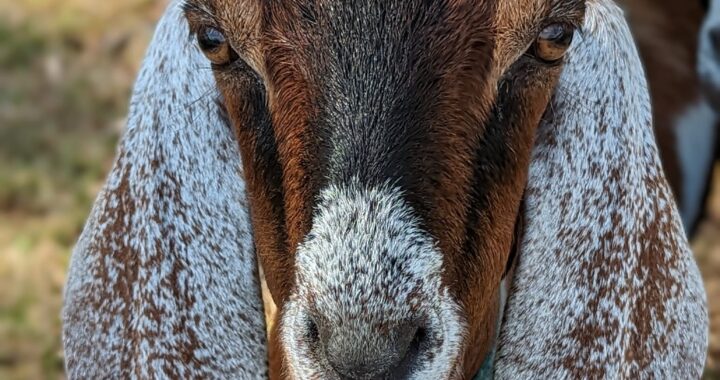
Morning chores have a way of teaching you things you didn’t know you needed to learn. You head out with a bucket or a brush or a handful of grain, and the goats meet you at the gate like they’ve been waiting all night to tell you their secrets. Some mornings it’s mischief, some mornings it’s tenderness, and some mornings it’s a reminder that these bright, stubborn little creatures depend on us for more than hay and head scratches. One April morning a few years back I Found my beautiful Nubian doe, Lavender, lifeless on the shelter floor, she had been fine and happy 10 hours earlier. The cause was a lot of recent rain generating lush pasture. Clostridium perfringens Type D overgrowth, and the resulting toxins killed her in hours. I was lucky not to lose the whole herd.
That’s how CD&T shots first landed on my radar, not as a line item on a checklist, but as one of those quiet responsibilities that comes with loving animals who don’t always understand how fragile they can be. You look at a healthy goat bounding across the pasture and it’s hard to imagine how quickly things can turn. But the soil they walk on, the feed they eat, even the tiny wounds they pick up along the way… all of it carries risks you can’t see.
And that’s where CD&T comes in. It’s a small thing, a quick poke, but it protects them from some of the fastest, deadliest conditions they can face. Especially when you’re planning something like banding, where the risk of tetanus jumps from “possible” to “absolutely not worth gambling on.”
So let’s talk about what CD&T actually is, what those letters stand for, what it protects against, and why it matters more than most new goat owners realize.
What “CD&T” Actually Stands For
The CD&T vaccine protects goats from three clostridial diseases, all of them fast, severe, and often fatal without prevention.
C – Clostridium perfringens Type C
Causes hemorrhagic enterotoxemia, sometimes called “bloody scours.”
D – Clostridium perfringens Type D
Causes overeating disease or pulpy kidney disease.
T – Tetanus
Caused by Clostridium tetani, a soil‑dwelling bacterium that enters through wounds.
But here’s the part most new goat owners don’t realize:
C & D bacteria are normal residents of a goat’s gut.
They’re not invaders. They’re not rare. They’re not something you can sanitize away.
Every goat carries Type C and D clostridia inside their digestive system every single day.
They’re part of the natural microbiome, harmless under normal conditions.
The danger comes when something causes those bacteria to multiply too quickly or produce toxins faster than the goat’s body can handle.
That’s why CD&T is so important:
You’re not preventing exposure; you’re preventing a toxin overload.
What These Diseases Look Like
These conditions don’t creep in slowly. They hit hard and fast.
Enterotoxemia (Types C & D)
Triggered by things like:
- sudden diet changes
- rich grain
- lush pasture
- stress
- heavy milk intake in kids
Symptoms can include:
- severe abdominal pain
- sudden lethargy
- diarrhea (sometimes bloody)
- neurological signs
- rapid decline
Often, the goat is “fine this morning, gone by evening.”
Tetanus
Tetanus bacteria live in soil, manure, and bedding. They enter through wounds — even tiny ones.
Symptoms include:
- stiffness
- difficulty walking
- “sawhorse stance”
- locked jaw
- sensitivity to sound or touch
- convulsions
Once symptoms appear, survival is rare.
Why the CD&T Vaccine Matters
Clostridial bacteria are everywhere, in the soil, in the barn, in the bedding, and inside the goat’s own gut. You can’t eliminate them, and you don’t need to.
The vaccine works by training the goat’s immune system to neutralize the toxins these bacteria produce. It doesn’t stop the bacteria from existing; it stops the deadly reaction.
It’s one of the simplest, most effective forms of protection you can give your herd.
When Goats Should Receive CD&T
A straightforward schedule keeps everyone safe.
Kids
- First shot at 6–8 weeks
- Booster 3–4 weeks later
Adults
- Annual booster
- Pregnant does: booster 4 weeks before kidding to pass immunity to kids
New goats
If you don’t have proof of vaccination, restart the series.
Risks and Side Effects
CD&T is considered one of the safest vaccines in small ruminant care.
Common, mild reactions
- small lump at injection site
- temporary soreness
- mild fever
- slight lethargy
Less common
- larger swelling
- stiffness in the injected leg
Rare
- allergic reaction (anaphylaxis)
Most goat owners keep epinephrine on hand just in case, but serious reactions are uncommon.
Why CD&T Is Critical Before Banding
Because I offer banding services to other goat owners, I feel compelled to make sure they know that banding creates the perfect environment for tetanus:
- a wound
- low oxygen (ideal for tetanus bacteria)
- exposure to soil and manure
- slow healing
If a goat isn’t protected, the risk is real, and the outcome is often fatal.
Final Thoughts
The CD&T vaccine is a tiny moment in your goat’s day, a quick poke, a little grumble, maybe a cookie afterward, but it protects them from three of the fastest, deadliest conditions they can face. It’s one of those quiet acts of stewardship that doesn’t look heroic but absolutely is. Whether you’re raising dairy goats like me, meat goats, or a handful of beloved pasture characters, CD&T is a cornerstone of responsible herd care, especially when procedures like banding are on the calendar.
At the end of the day, most of us who keep goats aren’t doing it for the spreadsheets or the protocols, we do it because these animals bring something bright and stubborn and joyful into our lives. They rely on us to make the choices they can’t understand, and CD&T is one of those choices that pays off quietly in the background, long before trouble ever has a chance to show up.
If this post helps even one new goat owner avoid a preventable loss, like my Lavender in the image above, then it’s worth every word. We’re all learning as we go, and the more we share what we’ve seen in our own barns and pastures, the stronger and healthier our herds become.
